Why integrity, vitality, and profundity matter more than acceptability in your work
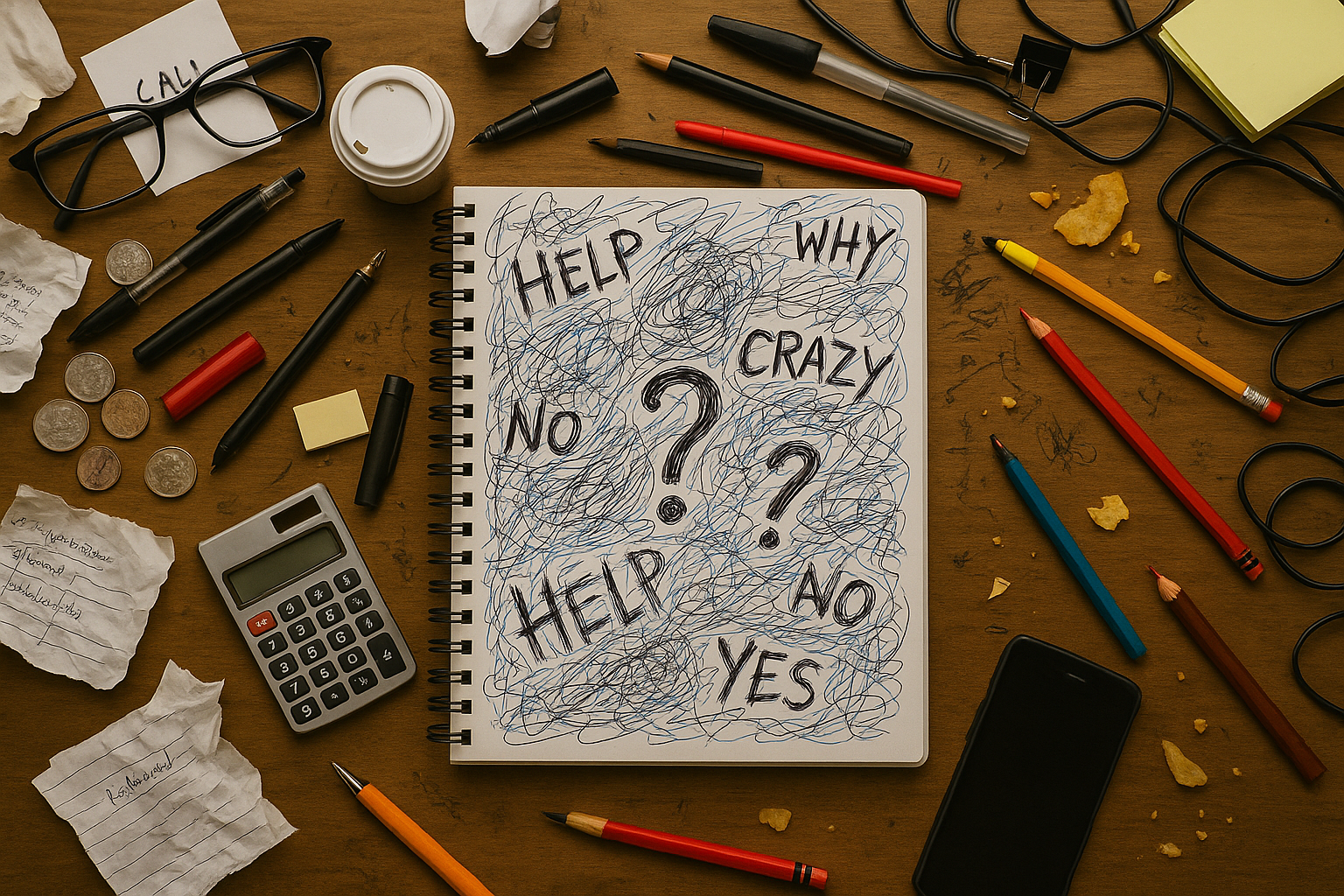
When I write, I feel like an armless, legless man with a crayon in his mouth.
Kurt Vonnegut
Intro
So often when it’s time for me to write, I feel myself pulled in so many different directions. I’m chased by the demons of what I should say. What my aspirational self wants to project. What I think the world expects of me. The other writers that I admire and want to emulate. The pressure of keeping up momentum so people don’t lose interest. Never mind the lies and limiting beliefs that I can tend to listen to that make these temptations all the stronger.
Underneath all of this noise is something that needs to be said. Not just written to shout into the void, but released because the world needs it. We were made with a unique design that we and we alone were meant to bring to bear on the world.
What if what you’re afraid to create is exactly what people need to experience?
I was reminded of this the other day when I was talking to my daughter’s counselor. We talked about how she didn’t like changes and I started sharing from my own experience of how change can be good. And what I had learned from it. I don’t even really remember what I said—but what I do remember is her saying “oh, that’s good. I need to write that down.” I was really struck by this because here was someone who helped other people learn from experience for a living. And yet, there was something that I had to share that was useful to her.
This is true for all of us.
When we dare to share what’s actually true for us—messy, imperfect, real—we give others permission to do the same. Our authenticity doesn’t just serve us; it serves everyone who needs to know they’re not alone in their struggles.
But how do we find this true voice? It starts by being true to the core of who we are.
Integrity
Creating with integrity means recognizing yourself in your work and standing by it regardless of reception. We need to see ourselves in the work. When we look at it, we see our priorities and our values. When others look at it, they see our heart.
Integrity means being willing to own up to what you’ve created and shared with the world. Not because it’s good, but because it’s yours. Sometimes it has to be like a problem child that you stand up and defend when everyone reviles them. Works created with integrity are ones that we will go down with to the very end. Whatever you think of Rushdie’s Satanic Verses, his defense of the work begs the question—how many of us are creating something we’re willing to stand by after almost being murdered for it?
I constantly struggle with the fear of looking like a fool or not being taken seriously. Two triggers in my brain flip back and forth between being authentic and being acceptable. No matter how much people seem to respond positively to openness, I still struggle with being brutally transparent. I want to be real, but I also want people to read what I write. But whenever I write from a spirit of fear, I end up loathing what I create.
I’ve promised myself that I would write for myself first. If I wasn’t truly happy with it, then it wasn’t getting published—no matter how much mass appeal I thought it might have.
Sometimes this is such a ridiculous pain in the ass. I’m probably on the third or fourth main idea since starting this piece. I’ve gone through writes and re-writes and re-re-writes. I’ve had ideas and couldn’t find the words for them while at the same time writing a bunch of words that say absolutely nothing—or at least what seems to be nothing of value. This reminds me of what Anne Lamott said in Bird by Bird:
“We need to make messes in order to find out who we are and why we are here—and, by extension, what we’re supposed to be writing.”
I have to write until I’m at the end of myself. The end of my expectations. The identity of a writer is not in his audience. It’s not in the things that he’s written. It’s not in the praise or the criticism. It’s in the “voice.” In the heart that beats underneath every word, every truth that he alone can express in the way that he must.
This is the essence of creating with integrity.
But integrity isn’t just about recognizing yourself in your work—it’s about pursuing what makes you come alive in the first place. Because dead ideas, no matter how well-crafted, will never carry your authentic voice.
Vitality
True creative energy comes from pursuing what makes you come alive rather than what seems practical or acceptable.
We spend way too much time chasing ideas that are asleep, dying, or dead. How do I know this? Because this tends to be at least a third of my writing process. Hell, probably a good 25% of my life.
The part of my voice that needs to be expressed has energy. It has movement, feeling like something in your body is going to burst forth—sometimes whether you want it to or not. It’s a flood. An overflow. That feeling where everything in you tenses up just dying for this idea to be released into the world…. This is an aspect of where we invest and what we create that so often gets lost in the shuffle.
We think about how our ideas will be received. Whether or not they’re viable. Whether they will make us money. Whether they will scale. But the last question we tend to ask (if we ask it at all) is does this make me come alive? Do I thrive and flourish at just the thought of bringing this into existence? Does my heart yearn to pursue this no matter the outcome? We prioritize practicals first and passion second. That’s assuming we prioritize passion at all.
I have put so much energy into the acceptable ideas. Why did I not give myself permission to say I wanted to be a writer for so long? Because of the practicals. It wouldn’t make money. I couldn’t make a career out of it. People would ask uncomfortable questions like “oh, what have you written?” Or “where are you published?” I was more concerned about being taken seriously than I was about recognizing where my heart really was. I was too focused on what was practical.
I don’t know who needs to hear this, but FUCK practical. We were not made to be practical, we were made to be RADICAL. Yes, feed your family but please—and hear me on this—we don’t need newer cars, nicer houses or better toys. We need you putting your innate passions into the world. Like Howard Thurman said:
“Don’t ask what the world needs. Ask what makes you come alive, and go do it. Because what the world needs is people who have come alive.”
But even when we give ourselves permission to pursue what makes us alive, the authentic voice doesn’t just bubble to the surface. It requires excavation—a willingness to dig past the first thing that sounds good to find what’s actually true.
Profundity
Even when we give ourselves permission to pursue what makes us alive, the authentic voice doesn’t just bubble to the surface. Because the first voice that emerges is often still trying to sound acceptable—still performing for an invisible audience. The authentic voice lives deeper, past the need to impress anyone, including ourselves.
If creating from our authentic self was easy, well then there would be absolutely no need to even write this. We would be doing it all the time. The simple truth is that the authentic self does not come out from behind the curtain quite so easily. And even if we’re not going to succumb to our culture’s tendency to prioritize expediency, we often struggle with separating our true voice from all the noise we’re constantly bombarded with.
Sometimes you have to dig past multiple layers of ‘what sounds good’ to get to what’s actually true. Past the version that makes you look wise, past the one that avoids conflict, past the one that protects your image—until you reach the voice that’s willing to be real, even if it’s messy.
Sometimes you dig inward, peering into the depths of your soul until you reach something true. Sometimes you move outward—take a walk, travel, shake loose from familiar patterns. Sometimes you get still and listen to what your heart is actually telling you beneath all the noise.
You don’t always find your voice by brute force. You find it by listening. Sometimes listening in stillness. Sometimes listening in movement. Sometimes listening to the help of trusted loved ones who will faithfully challenge you to simply be yourself. Sometimes this happens quickly, sometimes you have to trudge through it. But you have to keep fighting until you get to the real heart of it.
I’ve been struggling so hard to write this piece. But I know it’s something that needs to be said. I’ve wrestled and struggled. I’ve started and stopped and started again. And every time, I stumble my way through it and the words often don’t really come well—yet, I know that this is something that is worth writing. Worth fighting for. So I keep coming back and digging a little more.
The authentic path opens when you stop performing and start listening.
Conclusion
The world needs what you’re afraid to create.
I spent years telling myself no one wanted to hear what I had to say. But as I’ve started expressing myself authentically, I’ve learned something crucial: when we don’t share our real voice, we don’t just deprive ourselves—we deprive everyone who needs to know they’re not alone. Everyone who needs what we have to share.
My daughter’s counselor needed exactly what I shared from an open and authentic place—my messy, imperfect experience with change. Not because it was polished or profound, but because it was true.
This is what happens when we choose integrity over acceptability, vitality over practicality, and depth over surface-level safety. We discover that our authentic voice—the one we’ve been hiding—is exactly what someone else needs to hear. The world doesn’t need another performance. It needs you to stop performing and start being real. Because somewhere out there, someone is waiting to be seen by someone who understands them. And that someone might just be you.
As Madeleine L’Engle wrote: “Creativity is a way of living life, no matter what our vocation or how we earn our living. Creativity is not limited to the arts or having some kind of important career.”
Yes, we may be armless, legless people with crayons in our mouths. But maybe that’s exactly what the world needs—someone willing to create despite the constraints, to make something real with whatever tools they have.
Leave a Reply